


What is the Employment Rights Act 2025?
The Employment Rights Act 2025 is new UK law that gives workers much stronger rights. It became law on 18 December 2025 and changes are rolling out through 2027.

Simple explanation: What the Act actually does
Think of it like an upgrade to your worker rights. The Act gives you better protection from unfair treatment, stronger sick pay, and rights from your very first day at work. It replaces parts of older employment laws with much more worker-friendly rules. The changes affect almost every type of job in England, Scotland and Wales.
From Bill to Act: Why the name changed
You might have heard about the 'Employment Rights Bill' - that was the proposal. Once Parliament approved it and the King signed it on 18 December 2025, it became the 'Employment Rights Act 2025'. It's now proper law, not just a proposal. This matters because employers must follow these new rules.
Who gets these new rights
The Act covers employees, workers, and some contractors across England, Scotland and Wales. This includes full-time staff, part-timers, agency workers, and many people on zero-hours contracts. Northern Ireland has separate employment law, so these changes don't apply there yet.
The main idea behind the changes
The Act shifts the balance toward workers. Previously, many rights only kicked in after months or years of work. Now you get key protections from day one. The government wants to stop employers treating workers unfairly during probation periods or using temporary contracts to avoid giving proper rights.
What this means in practice
Example: Sarah starts a new job. Under old rules, she'd have to work two years before getting protection against unfair dismissal. Under the new Act, she gets that protection immediately. If her boss fires her unfairly in week two, she can challenge it at an employment tribunal.
Key Changes Timeline: When Everything Takes Effect
The new rights don't all start at once. Different changes come into effect between December 2025 and January 2027. Here's when each major change happens.
December 2025: First changes take effect
Trade union ballot requirements become easier and collective redundancy awards double from 90 to 180 days. Sexual harassment protection duties for employers also start. These changes happened when the Act became law on 18 December 2025.
April 2026: Day one rights begin
The biggest changes start in April 2026. You get protection against unfair dismissal from your first day at work. Sick pay also starts from day one instead of day four. Paternity leave becomes a day one right too.
October 2026: Zero hours and union rights
New protections for zero-hours contract workers come in. Trade unions get stronger rights to access workplaces and represent members. Fire and rehire restrictions also start, making it much harder for employers to force worse contract terms.
January 2027: Final implementation
The last major changes include stronger collective bargaining rights and enhanced workplace representation. Some sectors may have slightly different timelines, but most workers will have all new rights by this date.
Ongoing consultations and adjustments
The government is still consulting on exactly how some changes will work. For example, the precise process for day one unfair dismissal claims is being finalised. These consultations help ensure the new rules work fairly for both workers and employers.
Day One Rights: What You Get From Your First Day
Under the new Act, you don't have to wait months or years to get key protections. Many important rights now start from your very first day at work.
Days You Had to Wait for Key Rights (Before vs After 2025 Act)
Source: Department for Business and Trade
klaro.legal
Protection against unfair dismissal from day one
Previously, you had to work for two years before you could challenge unfair dismissal. Now it's day one. If your employer fires you without good reason or proper process, you can take them to an employment tribunal immediately. Fair reasons include serious misconduct, redundancy, or genuine performance issues after proper warnings.
How day one dismissal protection actually works
Your employer can still dismiss you in your first two years, but they need a fair reason and must follow proper procedure. They can't just say 'it's not working out' without explanation. Example: Tom gets fired in week three because his manager doesn't like him. Under the new Act, Tom can challenge this as unfair dismissal.
What happens to probation periods
Employers can still set probation periods, but they can't use them as an excuse for unfair treatment. During probation, they must still give you proper feedback, follow dismissal procedures, and have genuine reasons for any dismissal. Probation doesn't mean 'no rights'.
Important exceptions to day one rights
Some situations are still excluded from day one protection. If you're genuinely self-employed, work in certain diplomatic roles, or are in specific types of short-term contracts, different rules may apply. But these exceptions are much narrower than before.
What to do if you think you've been unfairly dismissed
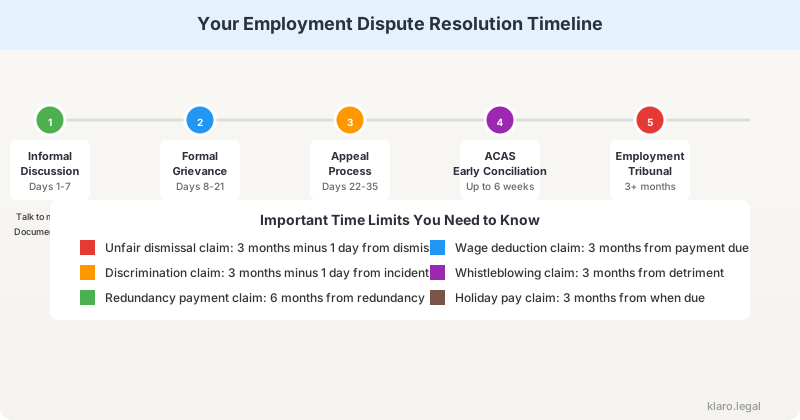
Keep records of everything - emails, messages, meeting notes. Write down what happened and when. You have three months minus one day from your dismissal date to make an employment tribunal claim. Consider getting advice from ACAS (free) or a trade union before deciding whether to proceed.
Tip: If you're dealing with workplace issues, understanding your tenancy rights can also be crucial for maintaining stability during employment disputes.
Sick Pay Changes: Getting Paid From Day One
Sick pay rules have changed significantly. You now get Statutory Sick Pay (SSP) from your first day of illness, not from day four.
Weekly Sick Pay You Get (UK vs Europe)
Source: OECD Employment Database
klaro.legal
Sick pay now starts immediately
Under old rules, you didn't get SSP for your first three days of illness (called 'waiting days'). The new Act removes these waiting days. If you're off sick for one day, you get paid for that day. This applies to all eligible workers, not just long-term employees.
Who qualifies for day one sick pay
You need to earn at least £123 per week and be genuinely unable to work due to illness. This includes physical illness, mental health conditions, and injury. Part-time workers, agency staff, and people on zero-hours contracts all qualify if they meet the earnings threshold.
How much sick pay you'll receive
SSP is currently £109.40 per week for 2026. Many employers pay more than this (called 'occupational sick pay'), and the new Act doesn't change those arrangements. Some employers might try to reduce their sick pay to just SSP, but existing contracts usually protect against this.
Example: How the change helps workers
Maria works part-time and catches flu. Under old rules, she'd lose three days' pay even though she was genuinely ill. Under the new Act, she gets SSP from day one. For someone earning minimum wage, those three unpaid days could mean losing £100+ - money many people can't afford to lose.
What your employer must do now
Employers must update their sick pay policies to remove waiting days. They must pay SSP from day one and can't make you use annual leave for short-term sickness. If your employer hasn't updated their policy yet, remind them of the new law - they're legally required to comply.
Paternity and Parental Leave: New Rights Explained
Parental leave rights have been strengthened significantly. Partners now get better paternity leave, and all parents get more flexible options.
Paternity leave becomes a day one right
Previously, you needed 26 weeks' service to get paternity leave. Now it's a day one right. Partners (including same-sex partners and adoptive parents) get two weeks' paid leave when their child is born or adopted. You still need to give proper notice, but you can't be refused because you're new in the job.
More flexible paternity leave options
You can now take paternity leave in separate blocks rather than two consecutive weeks. For example, you might take one week immediately after birth, then another week a month later. This gives families more flexibility to manage childcare and recovery periods.
Enhanced shared parental leave
Shared Parental Leave (SPL) rules are being simplified. Both parents will find it easier to share leave and return to work flexibly. The complicated notice requirements are being reduced, and employers will have less scope to refuse reasonable SPL requests.
Stronger adoption leave rights
Adoptive parents get the same enhanced rights as birth parents. This includes day one paternity leave for partners and improved shared leave options. Adoption leave can also start from the day you're matched with a child, not just when the child moves in with you.
How to use your new parental rights
Give your employer proper notice (usually 15 weeks for SPL, 8 weeks for paternity leave). Put requests in writing and keep copies. If your employer refuses unreasonably, contact ACAS for advice. Remember, these are legal rights - your employer can't penalise you for using them.