
85% of UK car insurance claims are settled within 30 days
Association of British Insurers
What is a Car Insurance Claim?
A car insurance claim is simply asking your insurance company to pay for damage or costs. Think of it like using any other service you've paid for.

Basic Definition
A car insurance claim means telling your insurer about an accident or damage. You're asking them to cover the costs based on your policy. It's your right as a paying customer to get help when things go wrong. Your insurer then investigates and decides how much to pay.
When Claims Are Needed
You make a claim when your car gets damaged, stolen, or causes damage to others. This includes accidents, vandalism, weather damage, or theft. Even small incidents might need a claim if repair costs are high. Always report accidents even if you're not sure you'll claim.
Your Rights as a Policyholder
You have the right to make a claim under your policy terms. Your insurer must handle claims fairly and quickly under Financial Conduct Authority rules. They can't refuse valid claims or delay payments unreasonably. You can complain to the Financial Ombudsman if they treat you unfairly.
What It Costs You
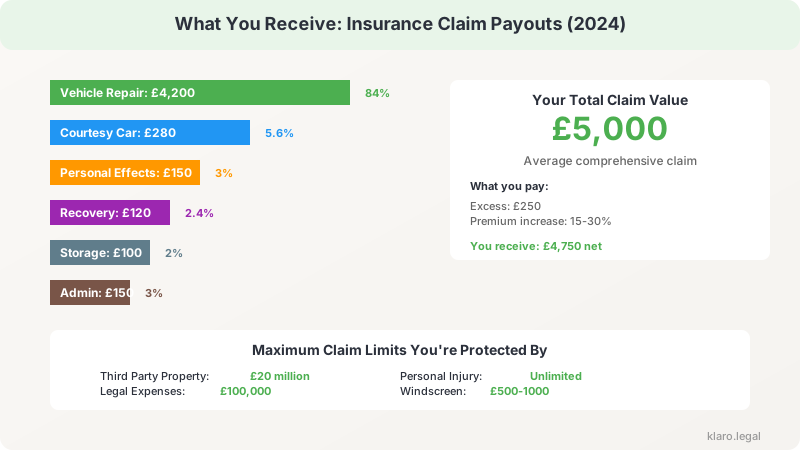
You'll pay your excess amount for most claims. This is the fixed amount you agreed when buying the policy. For non-fault accidents, you might get your excess back later. Some policies have different excess amounts for different types of claims.
When Should You Make a Claim?
Not every incident needs a claim. Sometimes it's better to pay yourself. Here's how to decide what's worth claiming for.
Your Claim Acceptance Rate by Type (%)
Source: Association of British Insurers
klaro.legal
When Claims Are Worth It
Claim if repair costs are much higher than your excess. Always claim for serious accidents or injuries, regardless of cost. Claim if another person or their property is damaged. Never pay for someone else's damage from your own pocket - that's what insurance is for.
When to Pay Yourself
Consider paying yourself if damage costs less than your excess plus premium increase. Minor scratches or small dents might cost £200-400 to fix. If your excess is £300 and premiums will rise, paying yourself saves money long-term.
Always Report These Incidents
Report all accidents involving other people or vehicles, even if you don't claim. Report theft, vandalism, or hit-and-run incidents immediately. Report any accident where someone might be injured later. Your insurer needs to know about incidents that could lead to future claims against you.
How Long You Have to Decide
You typically have years to make a claim, but report incidents quickly. Some policies require notification within 24-48 hours of an accident. You can report an incident without immediately making a claim. Get quotes for repairs first to help decide if claiming is worthwhile.
Step-by-Step Claim Process
Making a claim follows the same basic steps with all insurers. Here's exactly what happens from start to finish.
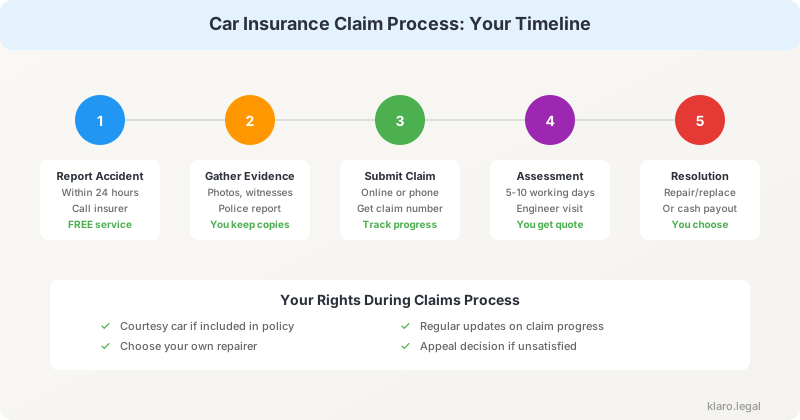
Step 1: Immediate Actions at Scene
Make sure everyone is safe and call emergency services if needed. Take photos of all vehicles, damage, and the scene from different angles. Get the other driver's insurance details, name, and contact information. Don't admit fault or apologize - just exchange factual information.
Step 2: Contact Your Insurer
Call your insurer's claims line as soon as possible after the accident. Most insurers have 24-hour helplines for reporting claims. Give them basic details: when, where, what happened, and who was involved. They'll give you a claim reference number - keep this safe.
Step 3: Submit Formal Claim
Complete your insurer's claim form online or by phone. Provide all requested documents: photos, police report if available, other driver's details. Be honest and accurate - incorrect information can void your claim. Submit everything within the timeframe they specify.
Step 4: Vehicle Assessment
Your insurer arranges for your car to be inspected by an assessor. This can happen at your home, a garage, or an assessment center. The assessor estimates repair costs and checks if damage matches your accident description. They'll also determine if your car is economically repairable.
Step 5: Repairs or Settlement
If repairs are approved, your insurer arranges work with approved garages. You can often choose your preferred garage from their approved list. For write-offs, they'll offer a settlement based on your car's market value. You have the right to negotiate this amount if you disagree.
Step 6: Claim Completion
Once repairs are done or settlement is paid, your claim is closed. You'll receive confirmation from your insurer. Check repaired work carefully before accepting it. Keep all claim documents for your records - you might need them for future insurance applications.
Information You Need for Your Claim
Having the right information ready speeds up your claim. Here's your complete checklist of what insurers need.
Accident Information
Date, time, and exact location of the accident. Weather conditions and road conditions at the time. Description of what happened in your own words. Police crime number if police attended the scene.
Vehicle Details
Your car's registration number, make, model, and year. Your policy number and insurer details. Details of any modifications to your vehicle. Current mileage and MOT certificate details if requested.
Other People Involved
Other driver's name, address, and phone number. Their insurance company and policy number if known. Registration numbers of all vehicles involved. Names and contact details of any passengers in other vehicles.
Photos and Evidence
Photos of damage to all vehicles from multiple angles. Photos of the accident scene showing road layout and any hazards. Screenshots of weather reports if weather was a factor. Dashcam footage if you have it - this can prove fault.
Witness Information
Names and contact details of independent witnesses. Brief notes about what each witness saw. Avoid asking family or friends to be witnesses unless they genuinely saw the accident. Independent witnesses carry more weight with insurers and in court.
Injury Details
Details of any injuries, however minor they seem initially. Hospital or doctor visit records if anyone sought medical attention. Keep receipts for any medical expenses or prescriptions. Note that some injuries don't show symptoms immediately after accidents.
Tip: If you have questions about other insurance matters, such as understanding your tenancy agreement or employment rights, klaro.legal can help explain those documents too.
Fault vs Non-Fault Claims Explained
Whether you're at fault affects your excess, no-claims bonus, and future premiums. Here's how insurers decide fault.
How Long You Wait for Settlement (%)
Source: Financial Conduct Authority
klaro.legal
What Makes a Fault Claim
You're at fault if your actions caused or contributed to the accident. This includes rear-ending another car, running red lights, or failing to give way. Even if you're only partially at fault, it counts as a fault claim. Your insurer pays the other party's costs and your own.
Non-Fault Claims Explained
Non-fault means the other driver caused the accident entirely. You still lose your no-claims bonus initially, but get it back when fault is settled. Your excess should be recovered from the other party's insurer. Your premiums shouldn't increase for genuine non-fault claims.
How Fault Is Determined
Insurers investigate using police reports, photos, witness statements, and damage patterns. They apply established fault rules for common scenarios like rear-end collisions. Sometimes both drivers share fault in agreed percentages. If insurers disagree, they might use arbitration to decide.
Challenging Fault Decisions
You can challenge your insurer's fault decision with additional evidence. Dashcam footage, independent witnesses, or traffic camera evidence can overturn fault decisions. Get legal advice for serious accidents where fault affects large compensation claims. The Financial Ombudsman can review disputed fault decisions.
How Long Claims Take to Process
Claim timelines vary based on complexity and fault disputes. Simple non-fault claims can settle in days, while complex disputes may take months.
Simple Claims (1-2 weeks)
Straightforward non-fault claims with clear evidence settle quickly. Minor damage with no injuries and clear fault typically take 7-14 days. Your insurer can process payment once the other party's insurer accepts liability. Most paperwork is handled electronically to speed up the process.
Complex Claims (1-6 months)
Claims involving injuries, disputed fault, or significant damage take longer. Personal injury claims can take 3-6 months or more depending on medical assessments. Total loss claims need vehicle valuations and settlement negotiations. Multiple vehicle accidents require coordination between several insurers.
What Causes Delays
Missing documentation is the biggest cause of claim delays. Disputed liability between insurers can add weeks to settlement. Waiting for police reports or medical assessments extends timelines. During busy periods like winter storms, all claims take longer to process.
Speeding Up Your Claim
Provide complete information upfront to avoid back-and-forth requests. Respond quickly to any requests for additional documents or photos. Use your insurer's online portal for faster communication than phone calls. Keep detailed records of all communications with reference numbers.
What Happens After You Submit Your Claim
Once you submit your claim, your insurer begins their investigation process. Understanding each stage helps you know what to expect and when to follow up.
Initial Review (24-48 hours)
Your insurer checks your claim form for completeness and assigns a claims handler. They verify your policy is active and covers the type of damage claimed. Basic fraud checks are performed automatically using databases. You'll receive confirmation with your claim reference number within 2 business days.
Investigation Phase
Your claims handler contacts all parties involved to gather statements. They may request additional evidence like dashcam footage or medical records. An assessor inspects vehicle damage either at your location or an approved center. The other party's insurer is contacted to discuss liability and costs.