


Workers Compensation Explained
What is Workers Compensation and How It Works
Workers compensation is like automatic insurance for work injuries. If you get hurt on the job, it pays your medical bills and replaces part of your lost wages, no matter who's at fault.
Workers Comp Coverage & Weekly Benefits by Industry
Source: Bureau of Labor Statistics
klaro.legal
Workers Compensation Basics
Think of workers comp as a deal between you and your employer. They pay for insurance that covers you if you get injured at work. In exchange, you can't sue them for most workplace injuries. It's required by law in almost every state.
How the System Actually Works
Your employer buys workers comp insurance (like car insurance, but for workplace injuries). When you get hurt, the insurance company, not your employer, handles your claim and pays your benefits. Your employer can't opt out or choose not to cover you.
No-Fault Protection
Workers comp is 'no-fault' insurance. That means you get benefits whether the injury was your fault, your coworker's fault, or nobody's fault. You don't have to prove anyone did anything wrong, just that you got hurt while doing your job.
Why This System Exists
Before workers comp (around 1910), injured workers had to sue their employers to get help, which was expensive, slow, and often impossible. Workers comp guarantees you get medical care and some income replacement quickly, without lawyers or lawsuits.
Who Gets Workers Compensation Coverage
Most employees are covered by workers comp, but there are some important exceptions. Here's who's in and who's out.

Standard Employee Coverage
If you're an employee (full-time, part-time, temporary, or seasonal), you're probably covered. This includes restaurant workers, office staff, construction crews, healthcare workers: basically anyone who gets a W-2 and has taxes taken out of their paycheck.
Independent Contractors and Freelancers
True independent contractors usually aren't covered by their client's workers comp. But many companies misclassify employees as contractors. If your 'client' controls your schedule, provides tools, or tells you how to do the work, you might actually be an employee with coverage.
State-Specific Exceptions
Every state has different rules. Texas allows employers to opt out entirely (though few do). Some states exclude domestic workers, farm workers, or very small businesses (under 3-5 employees). Check your state's workers comp board website for specifics.
Business Owners and Executives
Business owners and corporate officers can usually choose whether to include themselves in workers comp coverage. Partners and sole proprietors typically aren't automatically covered. If you own part of the business, check your policy documents.
What Benefits Workers Compensation Provides
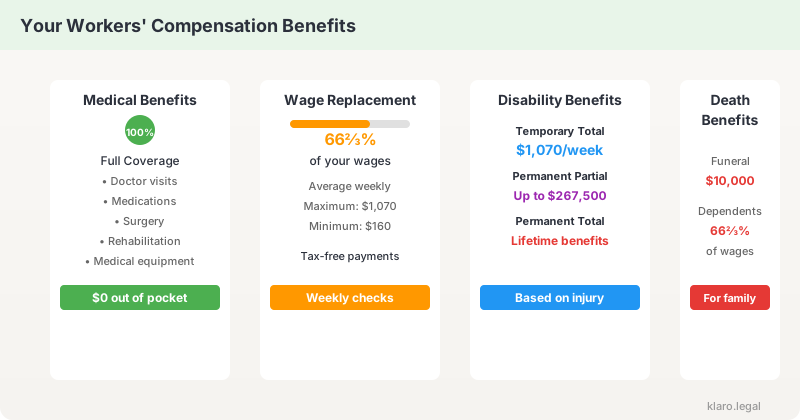
Workers comp covers four main types of benefits. The exact amounts depend on your state and injury severity, but here's what you're entitled to.
Full Medical Coverage
Workers comp pays 100% of your medical bills for injury treatment, doctor visits, surgery, physical therapy, prescription drugs, medical equipment. There's no deductible, copay, or annual limit. This includes ongoing treatment for permanent injuries.
Partial Wage Replacement
You typically get about 66% of your average weekly wages while you can't work. This is tax-free money. Most states have minimum and maximum weekly amounts, in 2026, maximums range from $433 (Mississippi) to $1,800+ (California).
Disability Benefits for Permanent Injuries
Permanent partial disability pays you for lasting impairments (like limited use of a hand). Permanent total disability provides lifetime benefits if you can't work anymore. These payments continue even after medical treatment ends.
Vocational Rehabilitation and Retraining
If your injury prevents you from doing your old job, workers comp may pay for job retraining, skills assessment, and job placement services. This includes tuition for new certification programs or modified work arrangements.
Survivor Benefits for Families
If a workplace injury causes death, survivors get burial expenses (usually $5,000-$10,000) plus ongoing income benefits. Spouses typically receive benefits until remarriage, and children receive support until age 18 (or 23 if in school).
How to File a Workers Compensation Claim
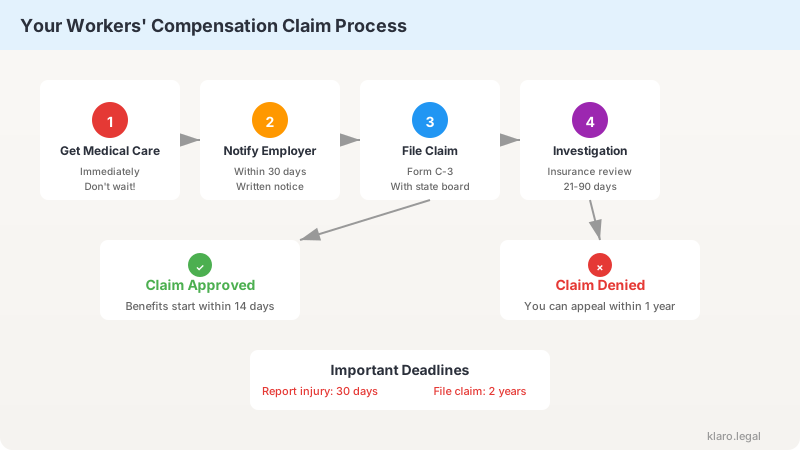
Filing a workers comp claim has strict deadlines and specific steps. Miss a deadline and you could lose your benefits entirely. Here's the right way to do it.
Workers Comp Claim Outcomes You Can Expect
Source: National Academy of Social Insurance
klaro.legal
Immediate Steps After Injury
Tell your supervisor about the injury immediately, even if it seems minor. Get medical attention if needed. Don't leave work without reporting the injury first, even if you're in pain. Write down exactly what happened while it's fresh in your memory.
Critical Reporting Deadlines
Most states require you to report workplace injuries within 30 days, but some are much shorter, Georgia is only 30 days, California gives you just 30 days for occupational illnesses. Report it the same day if possible. Late reporting can void your claim entirely.
Filing the Official Claim Form
Your employer should give you a claim form within a few days of your report. Fill it out completely and accurately. Submit copies to your employer, their insurance company, and your state's workers comp board. Keep copies of everything for your records.
Essential Documentation to Gather
Collect medical records, incident reports, witness statements, and photos of the accident scene. Keep a daily diary of your symptoms and limitations. Save all medical bills and receipts. This documentation becomes crucial if your claim is disputed.
Following Up on Your Claim
The insurance company has 14-30 days (varies by state) to accept or deny your claim. If accepted, benefits should start quickly. If denied, you'll get a written explanation. Don't let long delays slide, contact your state workers comp board if nothing happens for weeks.
Common Claim Denials and How to Appeal
About 20-30% of workers comp claims are initially denied. Many successful appeals could have been avoided with better initial documentation. Here's what goes wrong and how to fix it.
Top Reasons Claims Get Denied
Late reporting is the #1 reason for denials. Other common issues: injury didn't happen at work, pre-existing condition, employee was intoxicated, injury was self-inflicted, or medical evidence doesn't support the claimed injury severity.
How to File an Appeal
You typically have 30-90 days to appeal a denied claim (varies by state). File a written appeal with your state's workers comp board, including new medical evidence and documentation. Many states offer free hearings with administrative judges. Consider hiring a workers comp attorney - they work on contingency and know the system.
Strengthening Your Medical Evidence
Get a detailed medical report from your treating physician explaining how your injury relates to work. Include diagnostic tests, treatment notes, and functional capacity evaluations. Independent medical examinations (IMEs) ordered by insurance often favor the insurer - you can request your own second opinion.
Workers Compensation by State: Key Differences
Workers comp rules vary dramatically by state. Here are the key differences that affect your benefits and rights.
Weekly Benefit Amount Differences
Maximum weekly benefits in 2026 range from $433 (Mississippi) to over $1,800 (California and New Jersey). Your actual amount is typically 66% of your average weekly wage, up to your state's maximum. High-wage earners get capped at the state maximum.
Medical Care and Doctor Choice
Some states let you choose any doctor. Others require you to see doctors from your employer's approved list, at least initially. Texas, California, and Florida have the most restrictive medical networks. Emergency care is always covered anywhere.
How Disputes Get Resolved
Each state handles claim disputes differently. Some use administrative judges, others use workers comp courts. California has the most complex system. Texas allows employers to create their own dispute processes. Processing times vary from 3 months to over a year.
Notable State-Specific Rules
Texas is the only state where workers comp is optional for employers. Oklahoma allows alternative benefit plans. Some states cover mental health injuries from work stress, others don't. A few states provide benefits for injuries during work-sponsored social events.