


Eviction Notice Guide Podcast
What is an Eviction Notice and What It Means
An eviction notice is a written demand from your landlord to fix a problem or move out. It's your landlord's way of starting the legal eviction process, but it's not a court order yet.

Eviction Notice vs Actual Eviction
An eviction notice is just the first step. It's your landlord saying 'fix this problem or I'll take you to court.' Only a judge can actually evict you. Getting a notice doesn't mean you have to move out immediately.
What Makes an Eviction Notice Valid
A valid notice must be in writing, include specific reasons, give you proper time to respond, and be delivered correctly. If any of these are missing, the notice might be invalid.
When Landlords Can Issue Eviction Notices
Landlords can only evict for specific legal reasons: not paying rent, breaking lease rules, damaging property, or illegal activities. They can't evict you for complaining about repairs or exercising your tenant rights.
Your Rights During the Eviction Process
You have the right to stay in your home until a court orders otherwise. You can't be locked out, have utilities shut off, or be threatened. These 'self-help' evictions are illegal in every state.
Types of Eviction Notices You Might Receive
Different problems require different types of notices. Each type has its own timeline and rules for what happens next.
Your Chances of Success: With vs Without Legal Help
Source: Stout Analysis of Eviction Court Records
klaro.legal
Pay or Quit Notice (Most Common)
This gives you a specific number of days to pay overdue rent or move out. Usually 3-5 days depending on your state. If you pay the full amount owed (including any late fees mentioned in your lease), the notice is satisfied.
Cure or Quit Notice (Lease Violations)
For breaking lease rules like having unauthorized pets or guests. You typically get 10-30 days to fix the problem. Examples: removing an unauthorized pet, stopping excessive noise, or removing extra occupants.
Unconditional Quit Notice (Serious Violations)
The harshest type, no chance to fix the problem, just move out. Usually for illegal activities, repeated lease violations, or causing significant property damage. Timeline varies by state, typically 3-30 days.
Notice to Terminate Month-to-Month Tenancy
If you rent month-to-month, your landlord can end your tenancy without cause by giving proper notice, usually 30 days. This isn't technically an eviction notice since they're not claiming you did anything wrong.
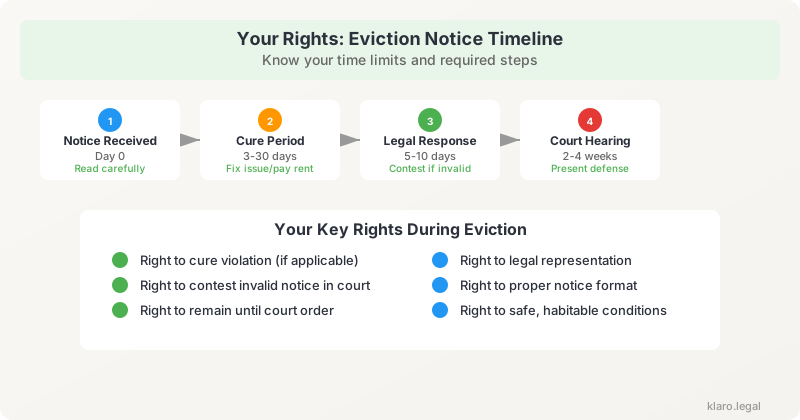
Your Immediate Rights When You Get a Notice
The moment you receive an eviction notice, certain legal protections kick in. Knowing these rights can save your housing.
Right to Remain in Your Home
You can stay in your home until a judge orders otherwise, even after the notice period expires. Your landlord cannot change locks, shut off utilities, or remove your belongings. These 'self-help' evictions are illegal.
Right to Contest the Notice
You have the right to dispute the eviction in court. Common defenses include improper notice, landlord retaliation, discrimination, or failure to maintain the property. Even if you owe rent, you might have valid defenses.
Right to Legal Representation
You have the right to a lawyer in eviction court. Many cities now provide free legal aid for tenants. Search for '[your city] tenant legal aid' or call 211 for local resources.
Right to Reasonable Accommodations
If you have a disability, you have the right to request reasonable accommodations during the eviction process. This might include extra time to find accessible housing or modifications to court procedures.
How Long You Have to Respond
Eviction notice deadlines vary by state and notice type. Missing these deadlines can cost you your case before you even get to court.
Time You Have to Respond by Notice Type
Source: National Multifamily Housing Council
klaro.legal
How to Count Notice Days Properly
The day you receive the notice usually doesn't count. If you get a 3-day notice on Monday, you have until Thursday to respond. Weekends and holidays may not count in some states, check your local laws.
Common Notice Periods by Type
Pay or quit: 3-5 days. Cure or quit: 10-30 days. Unconditional quit: 3-30 days. Month-to-month termination: 30 days (varies by lease terms and state law).
What Happens After Notice Period Expires
Your landlord can file an eviction lawsuit in court. You'll get a court summons with a hearing date, typically 5-10 days later. You still have time to respond and defend yourself.
Emergency Extensions and Hardship Programs
Some states offer emergency rental assistance that can pause evictions. The federal Emergency Rental Assistance program helped millions during COVID-19. Check with your local housing authority for current programs.
What to Do Right After Getting a Notice
The first 24-48 hours after receiving an eviction notice are crucial. Here's your action checklist.

Read Every Word of the Notice
Check the reason for eviction, the deadline, and how much you owe (if any). Look for your landlord's name, address, and signature. Make sure your name and address are correct.
Document and Photograph Everything
Take photos of the notice, your rental unit's condition, and any relevant communications with your landlord. Keep records of all rent payments, repair requests, and conversations. This evidence could be crucial in court.
Check for Notice Errors and Defects
Look for incorrect dates, wrong amounts owed, improper service method, or missing required language. Many eviction notices contain errors that make them legally invalid.
Contact Your Landlord if Appropriate
If you can fix the problem (like paying overdue rent), contact your landlord immediately. Get any agreements in writing. If it's a misunderstanding, address it right away.
How to Challenge an Invalid Eviction Notice
Many eviction notices contain legal errors. If yours is defective, you might be able to get the whole case dismissed.
Most Common Notice Defects
Incorrect notice period, wrong amount owed, improper service, missing required warnings, or vague reasons for eviction. About 25% of eviction notices contain significant legal errors.
Improper Service of Notice
Notices must be delivered properly, usually personally handed to you, left with an adult at your home, or posted conspicuously if you can't be found. Texting or emailing usually isn't valid service.
Landlord Retaliation Defense
If you recently complained about repairs, reported code violations, or joined a tenant organization, the eviction might be illegal retaliation. Most states prohibit evictions within 90-180 days of tenant complaints.
How to Raise Legal Defenses
File an answer with the court within the deadline (usually 5-10 days after being served). List all your defenses and any counterclaims. Consider getting legal help, tenant attorneys know which defenses work best.
State-by-State Eviction Notice Requirements
Eviction laws vary significantly by state. Here are the key differences you need to know.
States with Strong Tenant Protections
California, New York, and New Jersey require 'just cause' for evictions and have longer notice periods. California requires 30-60 days notice for no-fault evictions under Civil Code § 1946.1. New York has strict rent stabilization laws under Real Property Law § 226-c.
States with Moderate Protections
Florida, Texas, and Illinois allow faster evictions but still require proper notice. Texas allows 3-day pay-or-quit notices under Property Code § 24.005. Florida requires written notice under Florida Statutes § 83.56.
Common Tenant Mistakes That Cost Cases
These mistakes can destroy your case before you get to court. Avoid them at all costs.
Ignoring the Notice Completely
The biggest mistake is doing nothing. Even if you think the notice is wrong, you must respond. Courts will enter default judgments against tenants who don't appear.